A Practical Guide to Buying Used Fitness Equipment: What to Check and How to Save
Introduction and Outline: Why Used Fitness Equipment Makes Sense
There’s a particular satisfaction in rescuing a machine from the sidelines and giving it a second career in your home gym. Buying used fitness equipment can significantly lower the cost of building a durable setup, while keeping bulky items out of landfills. Many cardio machines and strength pieces are engineered to run for years with basic maintenance, yet they depreciate quickly once a box is opened. For budget-conscious lifters, runners, rowers, and weekend athletes, the secondhand market offers a practical route to quality gear that supports steady progress without straining the wallet.
Before diving in, it helps to know where this article is going. Here’s a quick outline you can skim and then revisit as you shop and compare options:
– Market overview and pricing: what affects secondhand values and when to buy
– Condition checklist: how to evaluate treadmills, ellipticals, bikes, rowers, and strength gear
– Safety and hygiene: simple steps to protect your body and your space
– Logistics and setup: move, assemble, calibrate, and maintain with less hassle
– Closing guidance: a plan for long-term value, sustainability, and upgrades
Why is this relevant now? Over the past few years, more households picked up larger machines for at-home training, and many of those units are now circulating locally through classifieds, resale shops, and community groups. That creates a wide inventory range—from lightly used gems to projects that require elbow grease. With a structured approach, you can filter the noise and focus on pieces that match your goals, space, budget, and maintenance comfort level. You’ll learn how to align expectations with reality: a treadmill is only as good as its belt and deck; a barbell’s worth hinges on straightness and sleeve spin; an elliptical’s smoothness lives in its bearings and linkages. This guide blends practical checklists with small, confidence-building tactics so each viewing, test, and negotiation feels clear and methodical. By the end, you’ll have a replicable process—think of it as your used-gear compass—that helps you save money, avoid costly surprises, and assemble a reliable training environment.
Understanding the Market: Pricing, Sources, and Timing
Used fitness equipment prices are driven by three big forces: original build quality, visible condition, and local supply-and-demand. Home-grade cardio units often lose a large share of their sticker value early on because buyers fear hidden wear, while commercial-grade pieces hold value longer due to heavier-duty frames, bearings, and drivetrains. As a rule of thumb, many consumer treadmills and ellipticals trade at roughly 30–60% of their original price after 1–3 years if maintained, and lower if noise, wobble, or error codes are present. In contrast, free weights, racks, and benches commonly retain 60–90% of new pricing because steel and iron age slowly and are easy to evaluate at a glance.
Where you shop influences both price and confidence. Common sources include:
– Local classifieds or community marketplaces: wide variety, strong negotiation potential, buyer must vet condition carefully
– Specialty resale shops: curated inventory, basic testing done, slightly higher prices, limited short-term guarantees at times
– Gym liquidations and auctions: potential deals on commercial gear, logistics-heavy, quick decisions required
– Friends, neighbors, or workplace boards: transparent history, easier pickup, variable selection
Timing matters too. Inventory tends to rise in late spring and early summer when people move, renovate, or clear garages; it can also swell shortly after the new year as resolutions settle. Demand spikes in January can lift prices for popular items like treadmills and adjustable benches, whereas in midsummer bulky cardio pieces sometimes sit longer and sell for less. Track comparable listings for a couple of weeks to establish a fair range, then enter conversations with a realistic number anchored to recent local sales and the unit’s visible care. Small negotiation tactics help: offer to pick up promptly, pay electronically on the spot after testing, and bundle multiple items. Also consider lifetime cost, not just purchase price. A more durable machine at a slightly higher price can be cheaper overall if it avoids early repairs. Finally, ask about documentation—manuals, receipts, and maintenance logs. A simple note like “belt lubricated last month” is not a guarantee, but it hints at user habits and can tip the scales when comparing similar listings.
Hands-On Inspection Checklist by Equipment Type
Your inspection begins before the first button press: stand back and scan the frame for symmetry, corrosion, missing hardware, and any evidence of rough moves. Then get methodical. Below is a practical, equipment-specific checklist to guide each viewing and test. Carry a small flashlight, a straight edge or string line, a rag, and a phone for quick photos; they help you spot wear patterns and remember details later.
Treadmills:
– Belt and deck: run your hand along the belt edges for fraying, check for glazing on the deck; listen for rhythmic thumps that could signal a stretched belt
– Drive and incline: start at low speed, step on firmly, and increase gradually; incline through its range and stop midway to listen for groans or stalls
– Electronics: verify safety key function, quick-keys, and readouts; minor cosmetic scuffs are fine, but flickering screens or random shutoffs deserve caution
– Heat and smell: a faint warm scent is normal; burning or ozone-like smells under load often indicate friction or motor issues
Ellipticals and bikes:
– Bearings and bushings: rotate cranks and linkages by hand; roughness, slack, or squeaks suggest worn components
– Stability: rock the unit diagonally; frame flex is expected within reason, but clunking indicates looseness in joints or pedals
– Resistance: test the full range; on magnetic systems, resistance should change smoothly without surges or dead zones
– Console behavior: confirm cadence and resistance readings are plausible and consistent
Rowers:
– Rail and seat: inspect for nicks or debris; the seat should glide without chatter
– Drive: on chain models, look for rust, tight links, or excessive slack; on belt systems, check for clean tracking and even recoil
– Damper or resistance mechanism: cycle multiple strokes at varied intensities; listen for rattles and ensure return is crisp
Strength machines and cables:
– Pulleys and cables: scan for fraying, cable flattening, or cracked sheathing; pulleys should spin freely and align with cable paths
– Weight stack: test selector pin fit, note any wobble; plates should rise evenly without binding
– Range of motion: move through slow reps at light load and full travel; grinding or sticking points reveal alignment issues
Free weights, bars, racks, and benches:
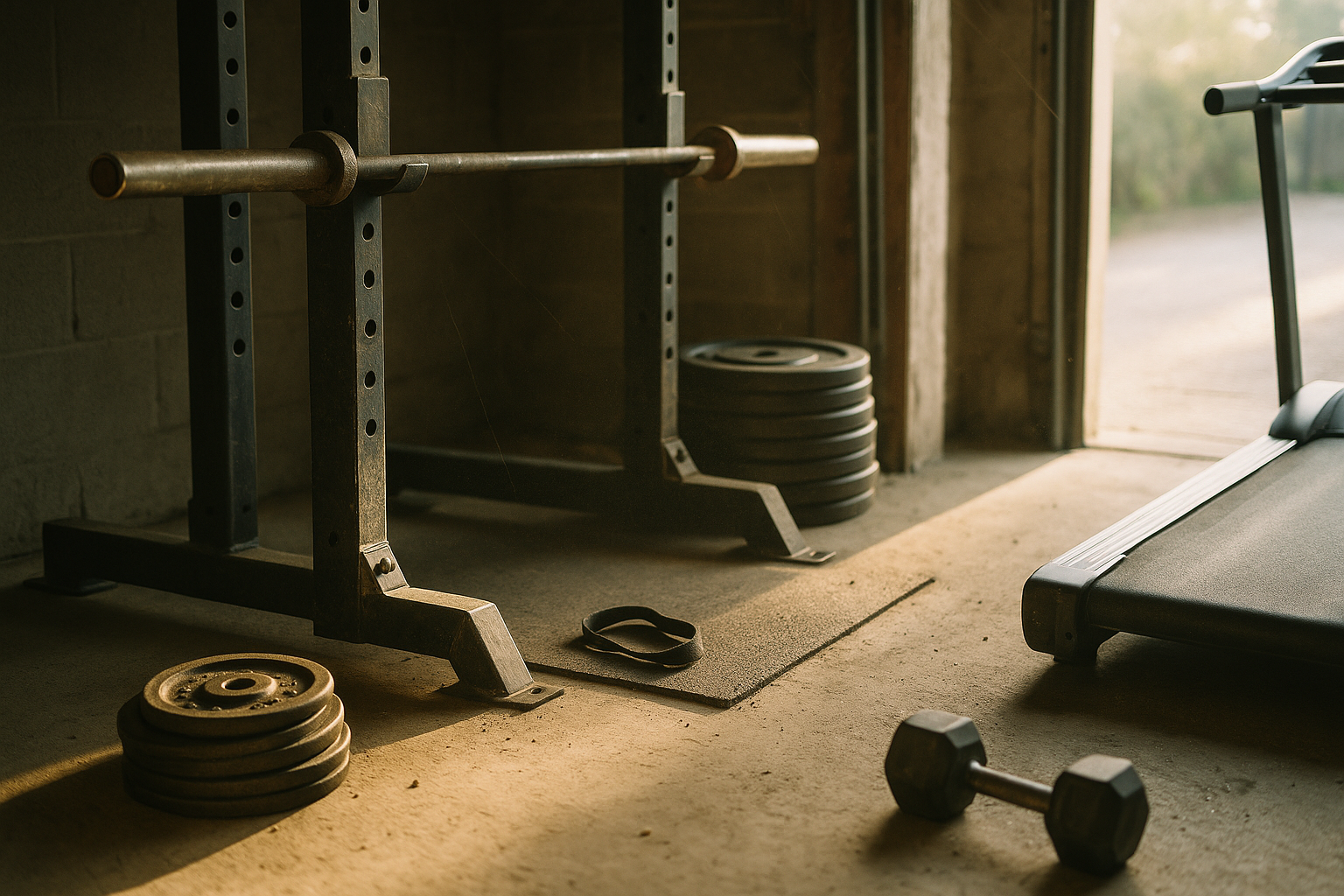
– Plates and dumbbells: surface rust is cosmetic; deep pitting, warped edges, or mismatched diameters can be problematic for secure loading
– Barbells: roll on a flat floor to check straightness; sleeves should spin smoothly, and collars should seat tightly
– Racks: inspect welds, uprights, J-cups, and safety arms; confirm hole spacing consistency and bolt tightness
– Benches: shake test for play, inspect pad foam for compression set, and check height relative to your needs
Across all categories, look for maintenance tells: a clean belt cover, lightly oiled chain, labeled hardware, or a printed checklist tucked under the console. They do not guarantee perfection, but they usually correlate with careful ownership. If issues surface, estimate parts and time. A deck and belt replacement or fresh cables are common fixes; a failing drive motor or cracked frame is typically a walk-away. Trust your ears and patience—smooth mechanics sound like a steady metronome, not a marching band of squeaks.
Safety, Hygiene, and Maintenance for Secondhand Gear
Safe training begins with solid equipment and a clean environment. After purchase, give each item a careful once-over before regular use. Start by tightening accessible bolts and verifying all guards and safety features are present and functional. For powered machines, check the cord and plug for damage, verify the circuit can handle expected load, and position the unit with enough clearance for ventilation and safe exits. If you can, place heavy frames on appropriate mats to reduce vibration and protect flooring.
Cleaning and disinfection are straightforward and help extend component life. A basic kit works in most cases:
– Mild detergent and warm water for frames, rails, and painted surfaces
– 70% isopropyl alcohol or a non-bleach gym-safe spray for high-touch areas like handles
– Light machine oil for chains where applicable; 100% silicone lubricant for certain treadmill belts and deck surfaces (only if the manufacturer specifies lubrication)
– Microfiber cloths and a soft brush for debris in crevices
Technique matters. Wipe first to remove sweat and dust, then disinfect, and finally dry to prevent residue build-up. Avoid harsh solvents on plastics and buttons, and never soak bearings or bushings. On treadmills, do not over-lubricate; excess lubricant attracts grit and can cause belt slip. If the deck is wax-impregnated, lubrication may not be needed at all—consult the manual and apply only what’s recommended. For cables, a visual inspection before each session takes seconds and can prevent sudden failures. Replace any cable with visible strands, flat spots, or bulges. For barbells, brush the knurl to lift chalk, then lightly oil sleeves and wipe away excess.
Consider a simple maintenance schedule posted on your phone or wall:
– Monthly: inspect fasteners, wipe rails and guide rods, test incline or resistance through full range
– Quarterly: clean internal covers where practical, check belt or chain tension, re-square racks, and verify bench hardware
– Annually: replace wearable parts as needed (belts, bushings, cables), refresh lubricant, and review electrical cords and surge protection
Finally, look up safety advisories or recalls by model category through consumer safety databases and the seller’s documentation. Keep receipts, serial numbers, and photos of your setup for reference. Good hygiene and maintenance are not just about shine; they preserve smooth mechanics, protect skin and lungs from dust and residue, and create a reliable platform that lets training, not tinkering, take center stage.
From Pickup to Long-Term Value: Logistics, Setup, Sustainability, and Conclusion
Securing a fair price is only half the journey; the other half is getting the gear home, placed, and tuned so it serves you for years. Start with measurements. Confirm doorway widths, stair turns, and ceiling height, and weigh the machine if possible. Many treadmills, ellipticals, and strength stations can be partially disassembled into manageable sections. Take photos during disassembly, label bolts in small bags, and protect sharp corners with cardboard. When transporting, use moving blankets, ratchet straps, and a hand truck rated for the load. For vehicles, distribute weight low and centered, and secure to multiple anchor points.
A quick moving-day checklist helps:
– Measure twice: doorways, hall turns, and elevator dimensions if applicable
– Protect surfaces: blankets for frames, tape for loose cords, cardboard for thresholds
– Team up: two or more people for stair work, clear communication for lifts and turns
– Rebuild methodically: follow photo notes, torque bolts snugly, test at low speed or load first
Once in place, calibrate. On treadmills, verify belt tracking and tension at slow speed before ramping up; a belt that drifts to one side likely needs a small, even adjustment. On bikes and rowers, set saddle or footplate positions to match your body and check that resistance changes smoothly. With racks and benches, level the feet, ensure safeties align at the intended height, and double-check that J-cups seat squarely. Then, create a simple log for maintenance and sessions. Jot down lubrication dates, cable replacements, and any noises you plan to re-check. That small habit improves resale value and keeps you ahead of wear.
There’s also an environmental upside that quietly compounds over time. Reusing heavy steel and aluminum avoids new manufacturing and shipping. Industry estimates often place primary steel at roughly 1.7–2.0 kg of CO2e per kilogram produced; giving a 150 kg setup a second life can sidestep on the order of 250–300 kg of emissions, plus packaging waste. Lower the footprint further by choosing durable items that sip, not gulp, electricity. Many home treadmills draw a few hundred watts during steady running and more during acceleration; an outlet power meter reveals your specific unit’s appetite so you can plan sessions or incline choices accordingly.
Conclusion: A thoughtful secondhand strategy rewards you three times—at purchase, during every workout, and when you eventually resell or donate. Define your goals, study the local market, and use the inspection steps in this guide to filter quickly and fairly. Negotiate with courtesy, move with a plan, and maintain with a light but consistent touch. In return, you get a training space that invites daily use, keeps costs predictable, and turns yesterday’s equipment into tomorrow’s personal records—steadily, safely, and on your terms.